
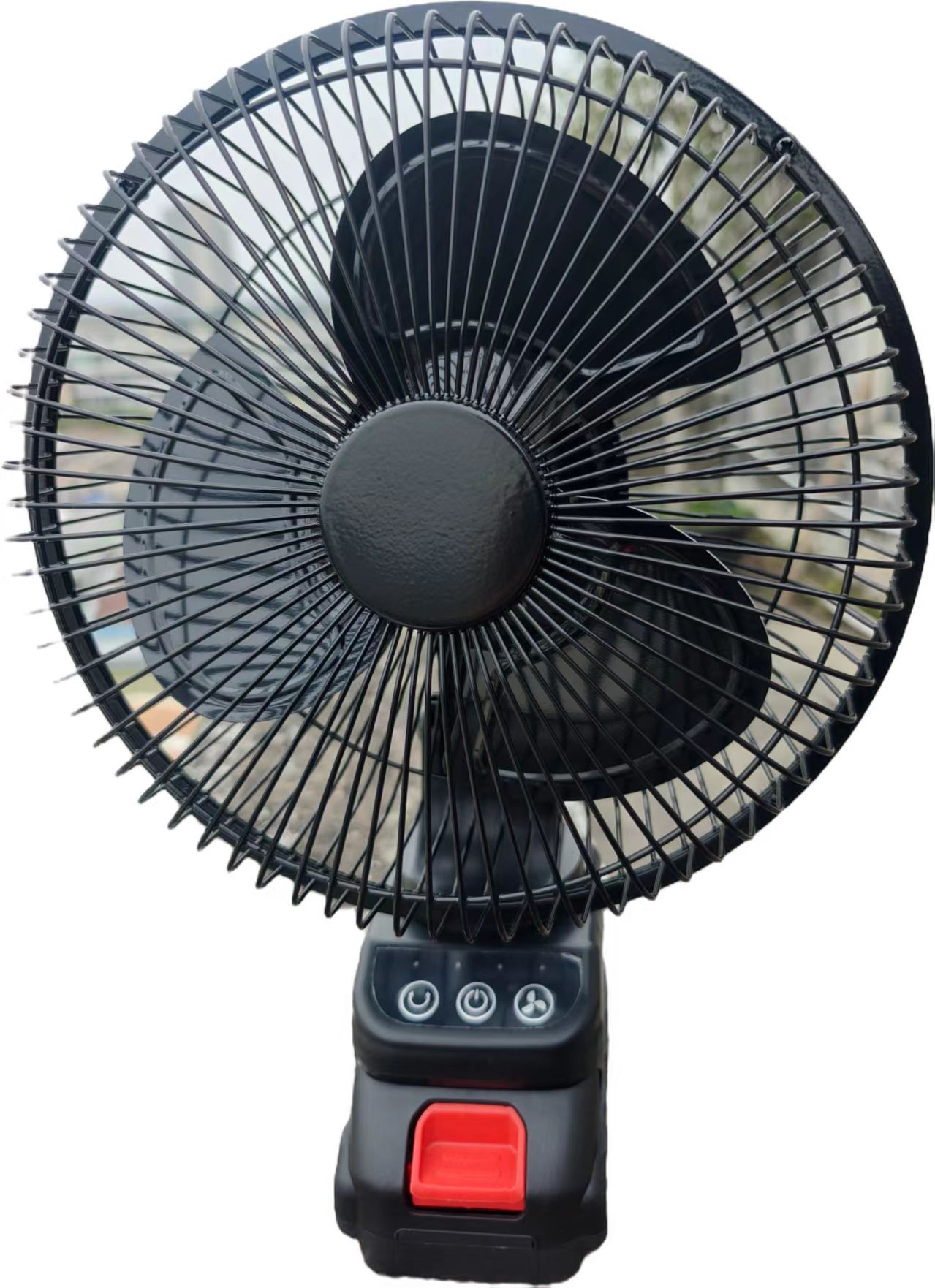
From Sample to Mass Production: Quality Control for Appliance OEM Orders
Most disputes in appliance sourcing are not about whether quality is good or bad. They are about whether the two parties agreed on what good means before production started. A batch rejected for a surface mark that the buyer considers cosmetic and the factory considers within tolerance is a conversation that should have happened at the sampling stage.
This guide explains how quality control runs across an appliance OEM order, and more usefully, where in the process the decisions that prevent disputes are actually made.
The Golden Sample: The Reference That Matters Most
Quality control in appliance manufacturing is not measured against a specification document. It is measured against the approved pre-production sample, known as the golden sample. Once that sample is signed off and retained by the factory, it becomes the physical definition of the product, and every unit in every subsequent batch is judged against it.
This makes the sample approval step the single most consequential decision in the order. A sample approved casually — checked for appearance but not for function, or approved on photographs rather than in hand — sets a reference that will be applied for the entire life of the product. Approving a sample is not a formality before production; it is the specification step.
Three practical implications follow. The sample should be evaluated against the original brief rather than against a memory of it. Every deviation should be documented, in writing, rather than discussed and left open. And the approved sample should be retained in a condition that allows later comparison, because its role continues for as long as the product is made.
Where Quality Is Actually Decided
Buyers often think of quality control as an inspection step near the end of the process. In appliance manufacturing it is a sequence of stages, and the earlier ones have more influence on the outcome than the final one.
| Stage | What is checked | What it prevents |
|---|---|---|
| Incoming material inspection | Components, electrical parts, housings, packaging against specification | Defects that are designed into the batch from the start |
| In-process inspection | Assembly, wiring, fitting and finishing during production | Systematic faults repeating across the run |
| Functional and safety testing | Heating performance, motor operation, controls, insulation | Products that pass visually but fail in use |
| Final inspection before packing | Appearance, completeness, accessories, labelling | Incomplete or non-conforming units reaching the customer |
The logic behind the order is that a defect found at incoming inspection is a supplier problem caught before value has been added, whereas the same defect found at final inspection is a full unit that must be reworked or scrapped. Every stage moved earlier removes cost rather than adding it.
Why Final Inspection Alone Is Not Enough
A programme that inspects only finished goods is testing whether problems occurred, not preventing them. By the time a finished-goods inspection finds a systematic issue, that issue has been reproduced across every unit produced during the interval — which in an appliance run can be several thousand units.
What in-process inspection provides is early detection. If a wiring connector is being fitted incorrectly, or a seal is being seated unevenly, the check during production catches it after a small number of units rather than after the entire run. The correction is then made to the process, not to the stock.
This is also why buyers should ask about the in-process checks specifically, rather than asking whether the factory has quality control. Every factory will answer yes to the second question. The first question is the one that reveals how the programme is structured.
Setting Acceptance Criteria Before Production
Acceptance criteria are the rules that decide whether an inspected lot passes. They should exist in writing before production begins, and they should be agreed by both parties. Three elements need to be defined.
Defect classification. Not every deviation has the same weight. A functional failure — a kettle that does not boil, a fan that does not run — is a critical defect and justifies rejecting the lot. A visible surface mark is usually a major defect at a lower threshold. A minor cosmetic irregularity on an area that will not be seen in use may be acceptable within a defined limit. Writing these categories down converts a judgement call into a rule.
The acceptance sampling plan. In practice, inspection is carried out on a sample rather than on every unit, and the sample size and the permitted number of defects are what determine the outcome of the inspection. Defining this in advance means both parties know what result the inspection will produce.
The remedy. It is worth agreeing, before production, what happens if a lot fails: rework, replacement, price adjustment, or rejection. Suppliers are far more willing to discuss this when it is hypothetical than when a container is waiting.
The Defects Worth Rejecting a Batch Over
Buyers reviewing inspection results often face a judgement call about which findings are serious. For small appliances, the following warrant firm action:
- Electrical safety findings. Insulation, earthing, wiring security or any deviation from the tested configuration. These are non-negotiable, because they affect the validity of the certification the product relies on.
- Functional failure. The product does not perform its stated function, or performs it inconsistently between units in the same batch.
- Systematic issues. A defect that appears across a large proportion of a sample indicates a process problem rather than a random occurrence, and will characterise the whole run.
- Labelling and documentation errors. Incorrect rating labels, wrong manual language or missing regulatory inserts make the product non-compliant in the destination market, regardless of how well it works.
- Packaging failure. Cartons that will not survive transit or stacking will produce damage claims that appear to be a product problem and are not.
Conversely, isolated cosmetic deviations within the agreed tolerance are usually not worth holding a shipment over. The purpose of defining acceptance criteria in advance is to make that distinction clear rather than leaving it to the pressure of the moment.
Third-Party Inspection: When It Is Worth It
Independent inspection before shipment is available and, for a first order from a new supplier or for a large volume, it is a reasonable thing to request. It provides verification by a party with no interest in the outcome, and it is carried out against the same approved sample and acceptance criteria that the factory's own inspectors use.
The practical value is highest in three situations: the first order from a supplier, an order in a new product category where the buyer has less ability to judge, and any order where a quality failure would cause the buyer significant commercial damage. For repeat orders from a supplier with a proven record, the same inspection resources often deliver less value than they did the first time.
Buyers planning third-party inspection should schedule it against the production completion date rather than the shipment date, so that a finding can still be corrected before the goods leave. An inspection report that arrives as the container is being loaded has confirmed the problem, not solved it.
Documentation as Part of Quality
For appliance exports, the paperwork is part of the product. The rating label, the manual, the warranty terms and any mandatory market inserts must all be consistent with the configuration that was tested and approved.
This means the documentation should be reviewed at the same time as the golden sample, not at packing time. A product that has been manufactured perfectly but carries a label inconsistent with its certified configuration has a compliance problem regardless of its build quality, and correcting that after production is more expensive than correcting it before.
Frequently Asked Questions
Do you inspect every unit or a sample?
Inspection is carried out at incoming material, in-process and final stages, with the final inspection performed on an agreed sampling plan against the approved sample and the acceptance criteria set for the order.
Can we appoint our own inspection agency?
Yes. Independent third-party inspection before shipment is supported, and it is carried out against the same approved sample and criteria used by our own inspectors.
What happens if a batch fails inspection?
The remedy is agreed before production begins rather than after a finding — typically rework, replacement or a defined adjustment, depending on the nature of the defect and its classification.
How long do samples take before an order?
Samples are typically available in 3 to 7 days depending on the complexity of the product and any customization requested. The approved sample becomes the reference for production.
Next Step
If you are placing an appliance order and want the quality framework agreed before production rather than negotiated afterwards, send us the product specification, the destination market and your expected volumes. We will confirm the inspection stages that will apply, the acceptance criteria we propose for your product, and the documentation and certification work that needs to be scheduled alongside production.
Request a quality framework proposal.